
A Fragrance for Your Brand: What Value Could It Bring to Customers and the Business?
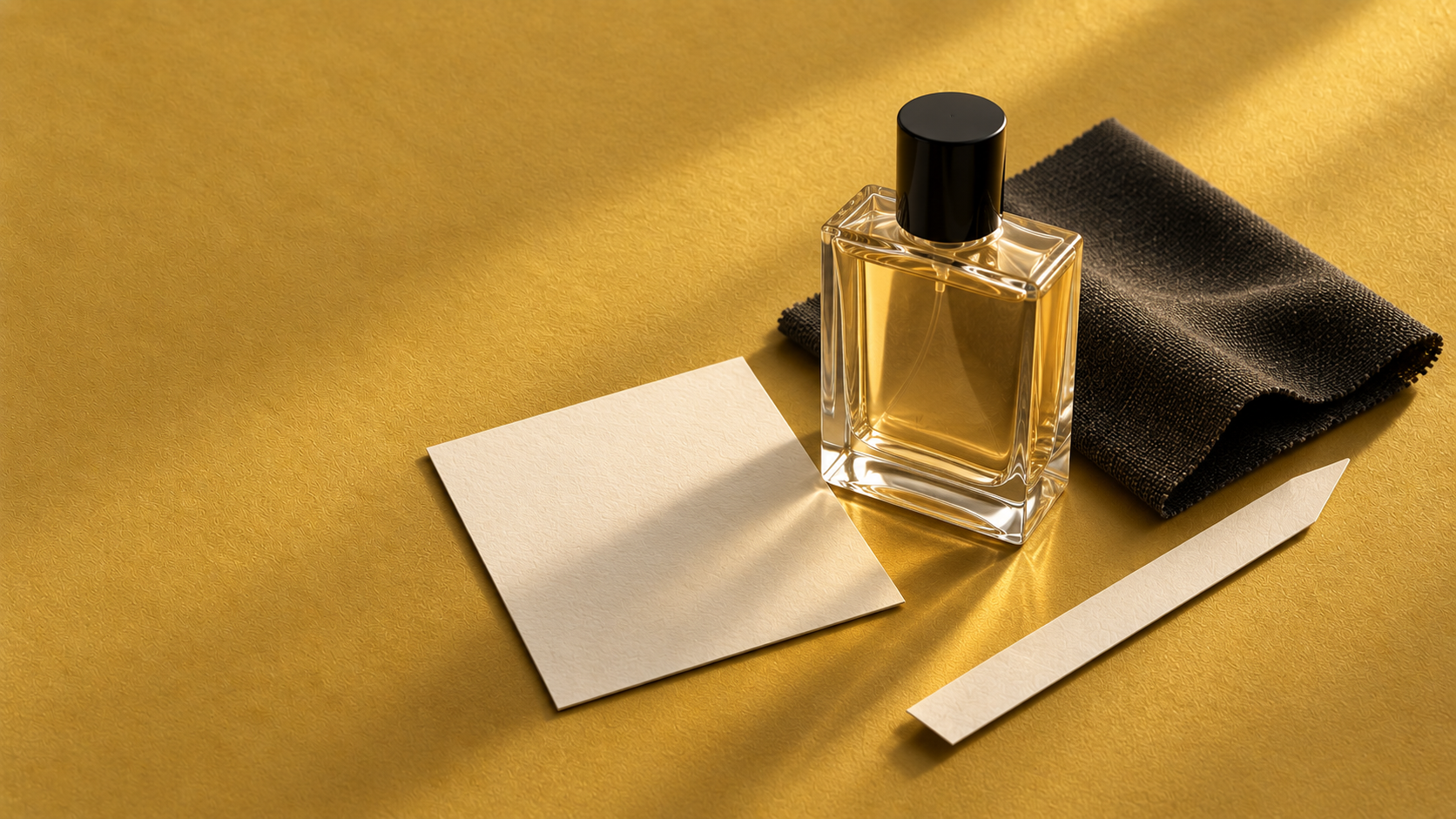
A fragrance can turn a brand world into a product that people choose, buy and wear themselves. For a fashion or lifestyle brand, that is an interesting possibility. Whether it becomes a sound business and a fitting brand experience depends on more than the product alone.
The first question is: What value would this perfume offer our customers, even if our name were not on the packaging? Only when there is a convincing answer does it make sense to discuss fragrance notes, components and quantities.
What does the customer gain?
Clothing, accessories and perfume are used in different ways. A fragrance stays close to the person wearing it. It may complement a personal style, suit a particular moment or be chosen as a gift. These are possible benefits, not automatic effects of every branded fragrance line.
Describe a specific buying and wearing occasion. Is the customer looking for an understated everyday scent? Do they want to mark a special occasion? Should the product offer an introduction to the brand or complement an existing range? Each answer leads to a different concept.
Also ask whether people who value your clothing or other products expect the same things from a perfume. Style, price level and brand recognition cannot answer this alone. Customer conversations, feedback from sales teams and small, carefully documented product tests can help sharpen your assumptions.
What does the brand gain?
A fragrance gives a brand another form of expression. It can carry the brand’s point of view into a different setting: from a visible product to a personal experience on the skin. For that to work, the scent, product design, language and sales environment need to fit together. A brand name may spark curiosity; the fragrance must also stand on its own as a product.
An initially unfamiliar category extension can become a brand success in its own right. Established fragrance lines such as Davidoff’s Cool Water and Bruno Banani perfumes illustrate the potential. A fragrance may reach new people, become their first point of contact with a brand and extend its presence beyond its original product range.
The strategic question is what the fragrance should achieve for your brand specifically. Should it express an established position, appeal to a new customer group or complement the existing range? Each task calls for different decisions. A broad answer such as “more loyalty and revenue” offers little direction for development.
What commercial role should the fragrance play?
A perfume needs a credible place in the business model. It might be a product sold in its own right, an additional purchase in your own channel or a deliberately limited test of a new category. These are strategic options, not promises of results.
Before starting, note where the fragrance would be sold, which retail price fits its positioning and how initial demand could realistically be tested. Keep retail price, project budget and expected commercial performance separate. A fragrance that fits the brand can still be commercially unattractive if the product, components, channels and quantity do not add up. Equally, appealing figures cannot make a poorly fitting fragrance a good brand product.
Claims such as “fragrance creates loyalty” cannot settle this decision. Available studies and arguments address different questions, including scent perception, memory, retail atmosphere and brand extensions. They do not establish a continuous causal chain from a wearable branded perfume to greater loyalty to the original fashion brand. Define testable aims for your project instead: acceptance among your target group, actual purchases, feedback on brand fit and a commercially sensible basis for continuing the line.
Five questions before the fragrance brief
- For whom? Which specific customer group should buy and wear the perfume? What do we know, and what are we merely assuming?
- For what purpose? When does it offer value of its own, regardless of the brand name on the box?
- Why this brand? What recognisable point of view should it express, and how would customers judge the fit?
- What role? Is it a product in its own right, a range extension or a limited category test? Which channels will reach the target group?
- How will we recognise success? What customer response and commercial criteria would justify continuing the line?
If these questions are still open, that is not a failure. It is a reason to examine the idea before development begins. A perfume project should be allowed to end with a well-founded “not yet”.
Once the target group, customer value and product role are clear, the next decision is who will lead the project internally, which requirements are fixed and what scope is realistic. The brand idea can then become a fragrance brief. Our guide “The Fragrance Brief: What to Include, with a Template” shows how to capture wishes, product details and open questions for the development conversation.
Olfaktorische Welten supports individual perfume projects from the brief and fragrance development through coordination of manufacturing, filling and packaging. Manufacturing takes place in Germany with partners selected for each project. To discuss the fundamental questions for your brand, write to team@olfaktorische-welten.com.
What role could a fragrance play for your brand?
Tell us about your brand and the questions still open in your project. We can discuss what information is needed for the next steps.
Discuss a perfume project